Thermal Stability

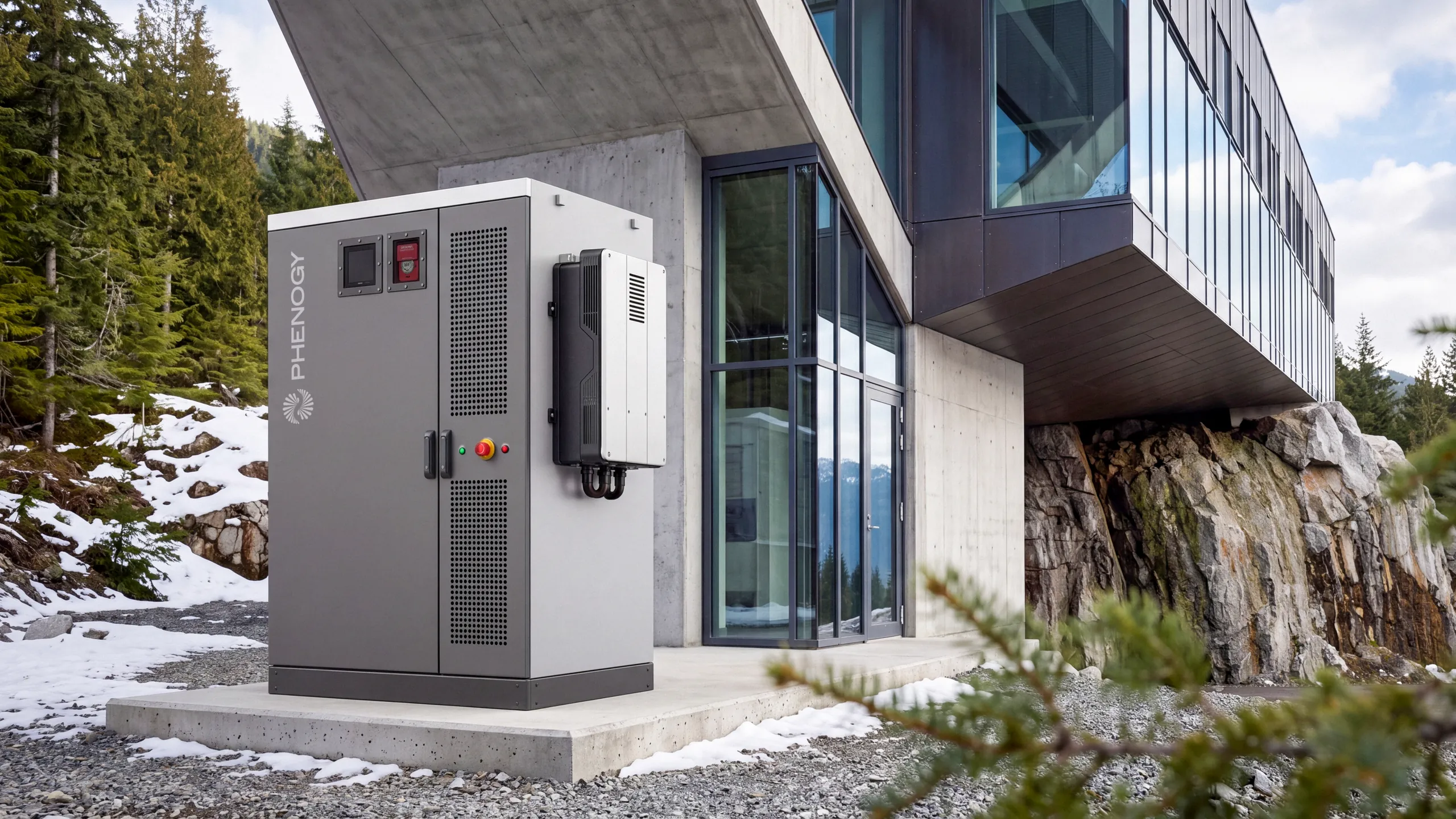
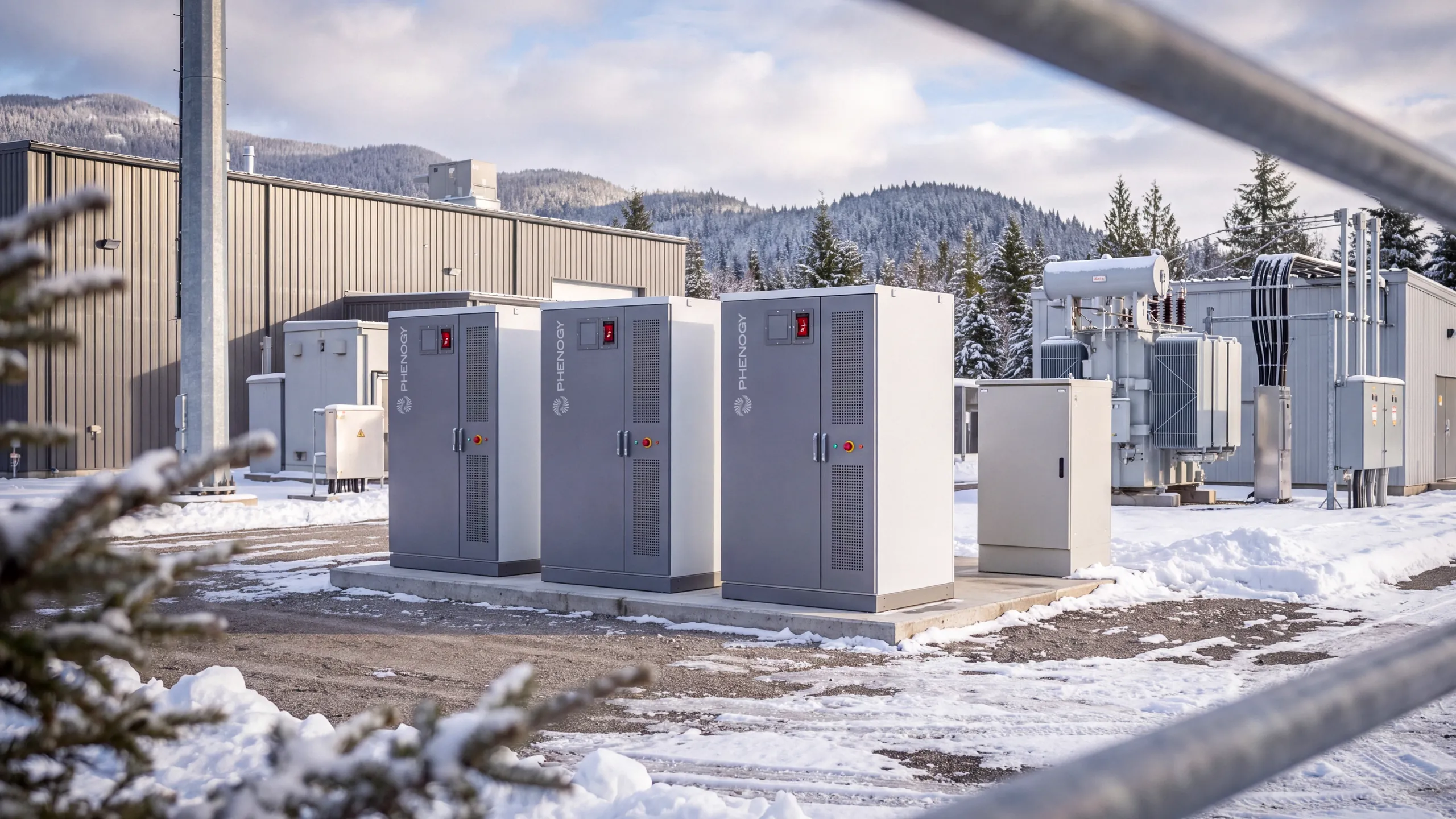
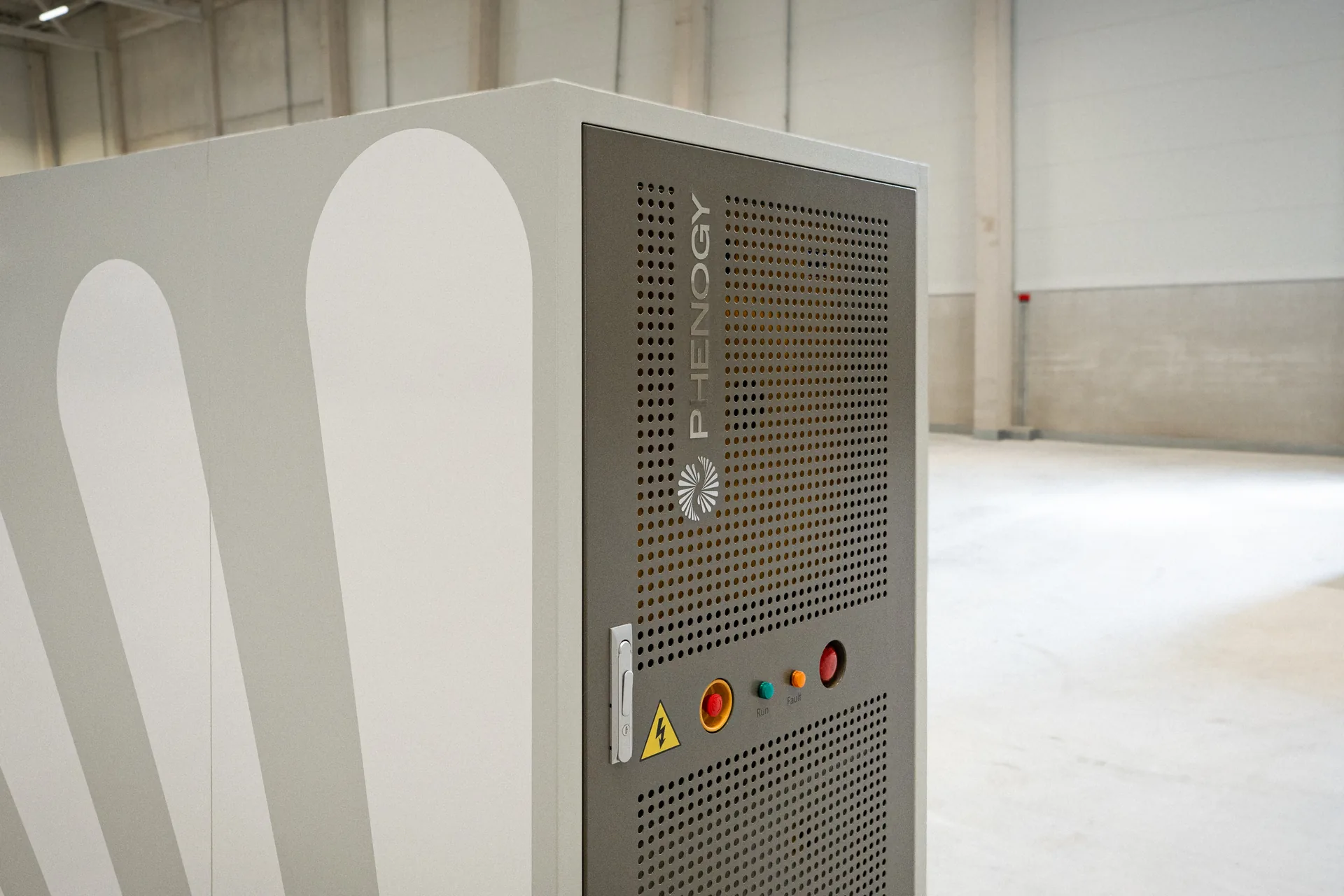
Thermal stability describes how resistant a battery cell is to rising temperatures before chemical decomposition processes begin that can lead to thermal runaway. Sodium-ion cells like PHENOGY's have higher thermal stability than lithium-ion cells, reducing thermal runaway risk. In many applications, sodium-ion storage systems can get by with air cooling instead of complex liquid cooling, though larger installations may still require liquid cooling to meet fire codes such as NFPA 855.

Learn more

More on safety and reliability at PHENOGY

More on this topic

Technology & Safety

Battery Fire Safety

Battery fire safety encompasses all structural, technical, and organizational measures that minimize a battery storage system's fire risk and limit damage if…

Also:

Fire Protection Concept
Technology & Safety

Energy Density

Energy density indicates how much energy a battery can store relative to its weight (gravimetric, in Wh/kg) or its volume (volumetric, in Wh/l).

Also:

Gravimetric Energy Density, Volumetric Energy Density
Technology & Safety

Fire Safety Requirements (NFPA 855)

In the US, fire safety for battery storage systems is governed primarily by the NFPA 855 fire code and UL 9540A testing standard, which set requirements for…

Also:

NFPA 855, Fire Code Compliance