Sodium-Ion Battery

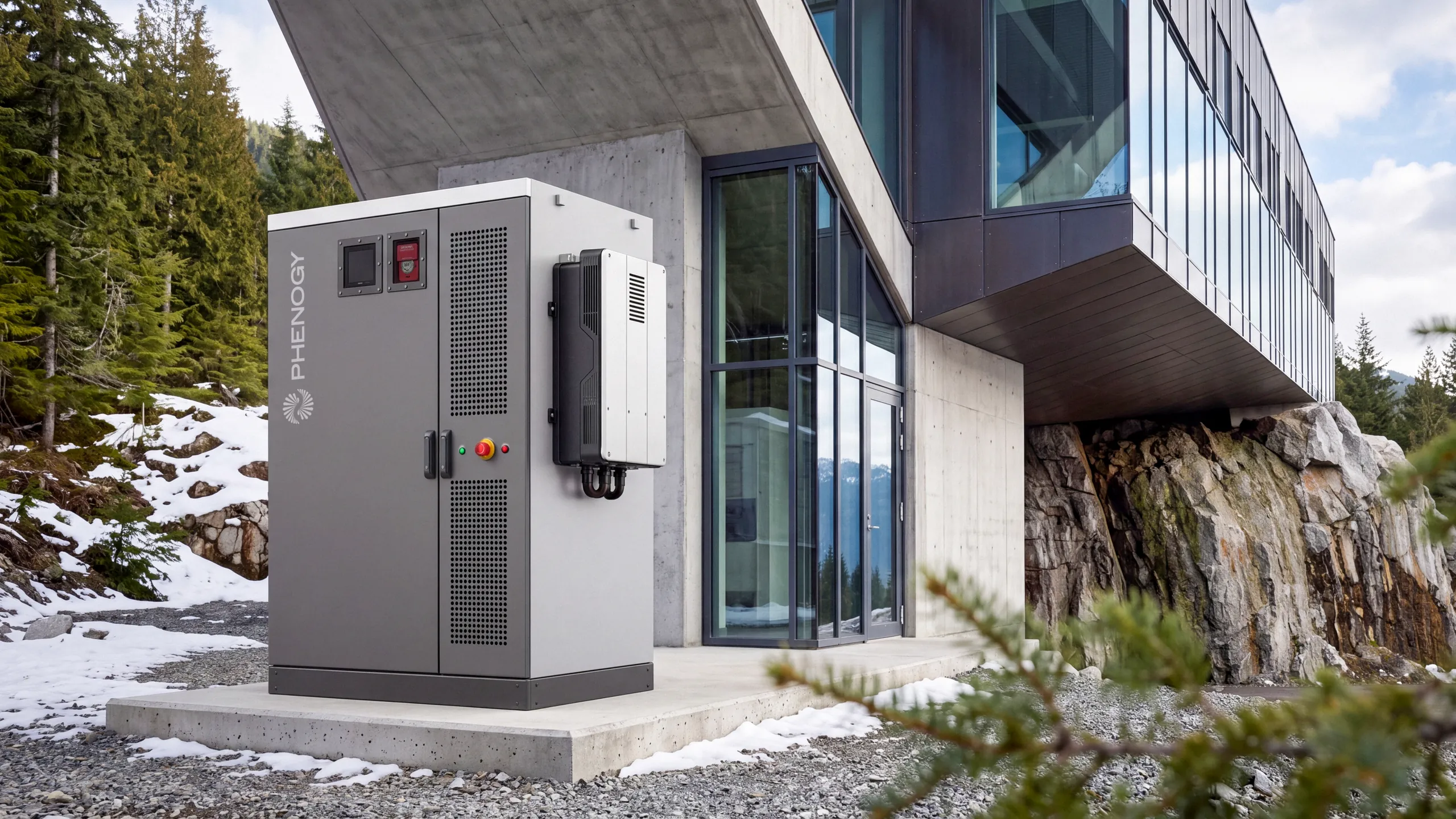
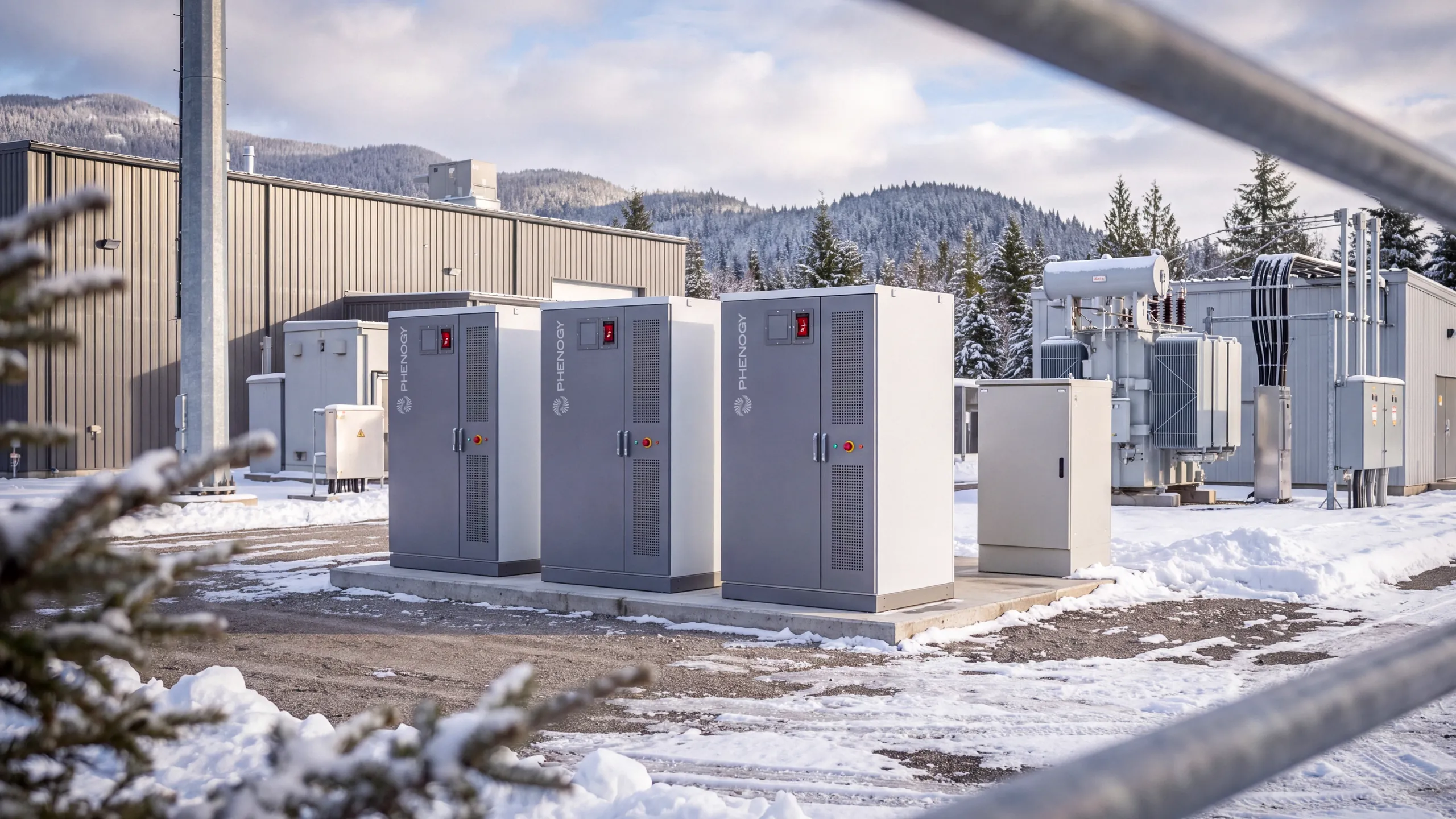
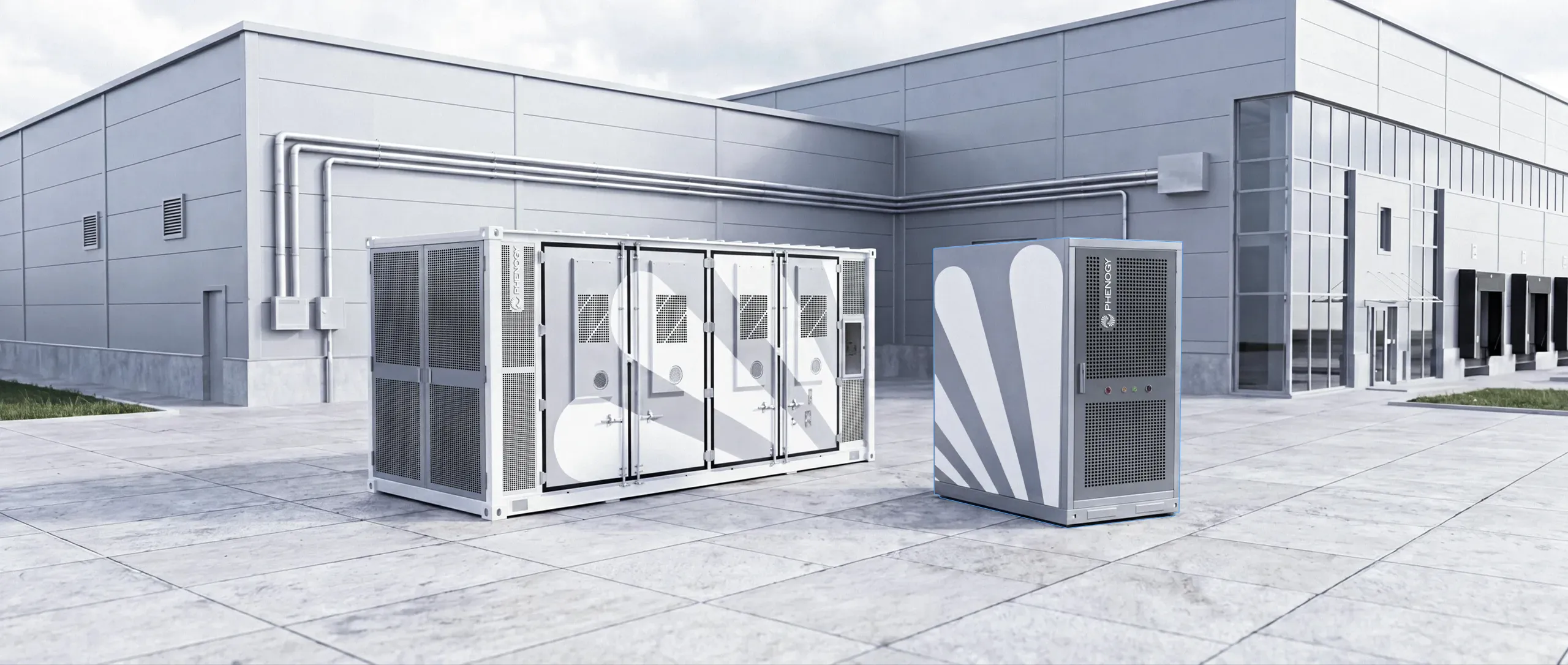
A sodium-ion battery stores energy using sodium, which is available worldwide and is the sixth most abundant element in the Earth's crust. Conventional lithium-ion batteries, by contrast, require lithium, graphite, and often cobalt, which are concentrated in a few producing countries and whose extraction is often linked to significant environmental impact. For both reasons (raw material independence and environmental footprint), PHENOGY uses sodium-ion cells in its battery storage systems.

Learn more

More on PHENOGY's sodium-ion technology

More on this topic

Technology & Safety

Battery Fire Safety

Battery fire safety encompasses all structural, technical, and organizational measures that minimize a battery storage system's fire risk and limit damage if…

Also:

Fire Protection Concept
Technology & Safety

Energy Density

Energy density indicates how much energy a battery can store relative to its weight (gravimetric, in Wh/kg) or its volume (volumetric, in Wh/l).

Also:

Gravimetric Energy Density, Volumetric Energy Density
Technology & Safety

Fire Safety Requirements (NFPA 855)

In the US, fire safety for battery storage systems is governed primarily by the NFPA 855 fire code and UL 9540A testing standard, which set requirements for…

Also:

NFPA 855, Fire Code Compliance