12.10.2026
7 Reasons PHENOGY Became the First Sodium-Ion Winner
Sustainable, Safe, and Proven in Practice
July 14, 2026
July 14, 2026
By
Marcel Kloppenburg
,
Chief Marketing Officer
, PHENOGY
Innovative technology meets practicality for everyday use
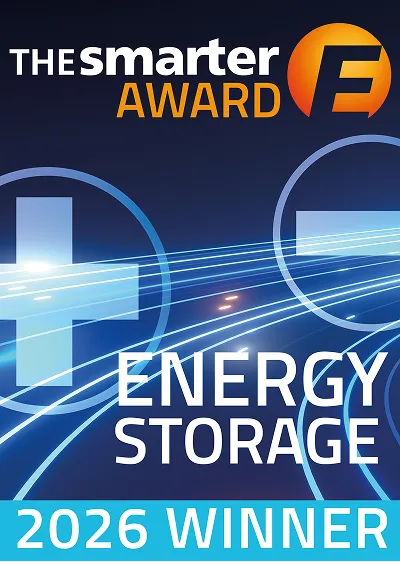
Winning an award is always a reason to celebrate. At PHENOGY, we were thrilled to receive The smarter E AWARD 2026 in the Energy Storage category. But this award is about more than a single company achievement.
As the first sodium-ion battery storage provider to receive one of the energy industry's most established awards, we believe the distinction reflects a broader development: sodium-ion technology is beginning to move from a promising alternative to a real-world energy storage solution, and PHENOGY aims to play a leading role in that transition.
But why is sodium-ion technology receiving this level of attention today? To understand why this matters, it is worth taking a closer look at the factors driving renewed interest in the technology we use.
Renewable energy generation continues to grow across the world. But building a renewable energy system is about more than adding solar panels and wind turbines. It also requires energy storage technologies that can deliver clean energy when and where it is needed. At a time of growing geopolitical uncertainty, energy security and resilient supply chains are becoming increasingly important considerations as well.
This is one of the reasons sodium-ion technology is attracting growing attention. Unlike conventional lithium-ion batteries, sodium-ion systems do not rely on lithium, cobalt, or graphite.
They offer an alternative technology pathway for applications where supply-chain resilience, operational safety and strategic independence are becoming increasingly important considerations.

But promising technology alone does not win awards. The energy industry has seen many innovations that looked convincing on paper yet struggled to prove themselves under real-world operating conditions.
Ultimately, success is measured not only by technical specifications, but by the ability to deliver reliable performance in practical applications. This is where PHENOGY's story becomes particularly relevant.
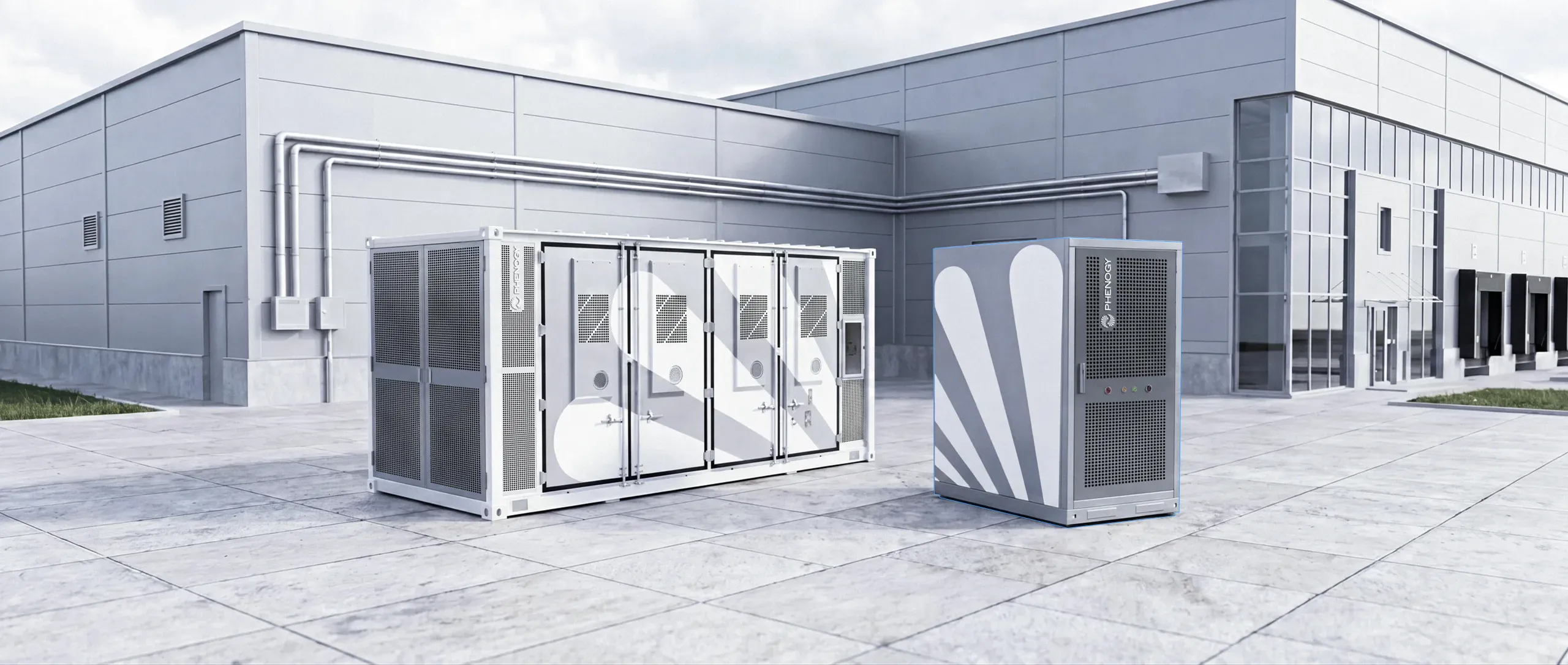
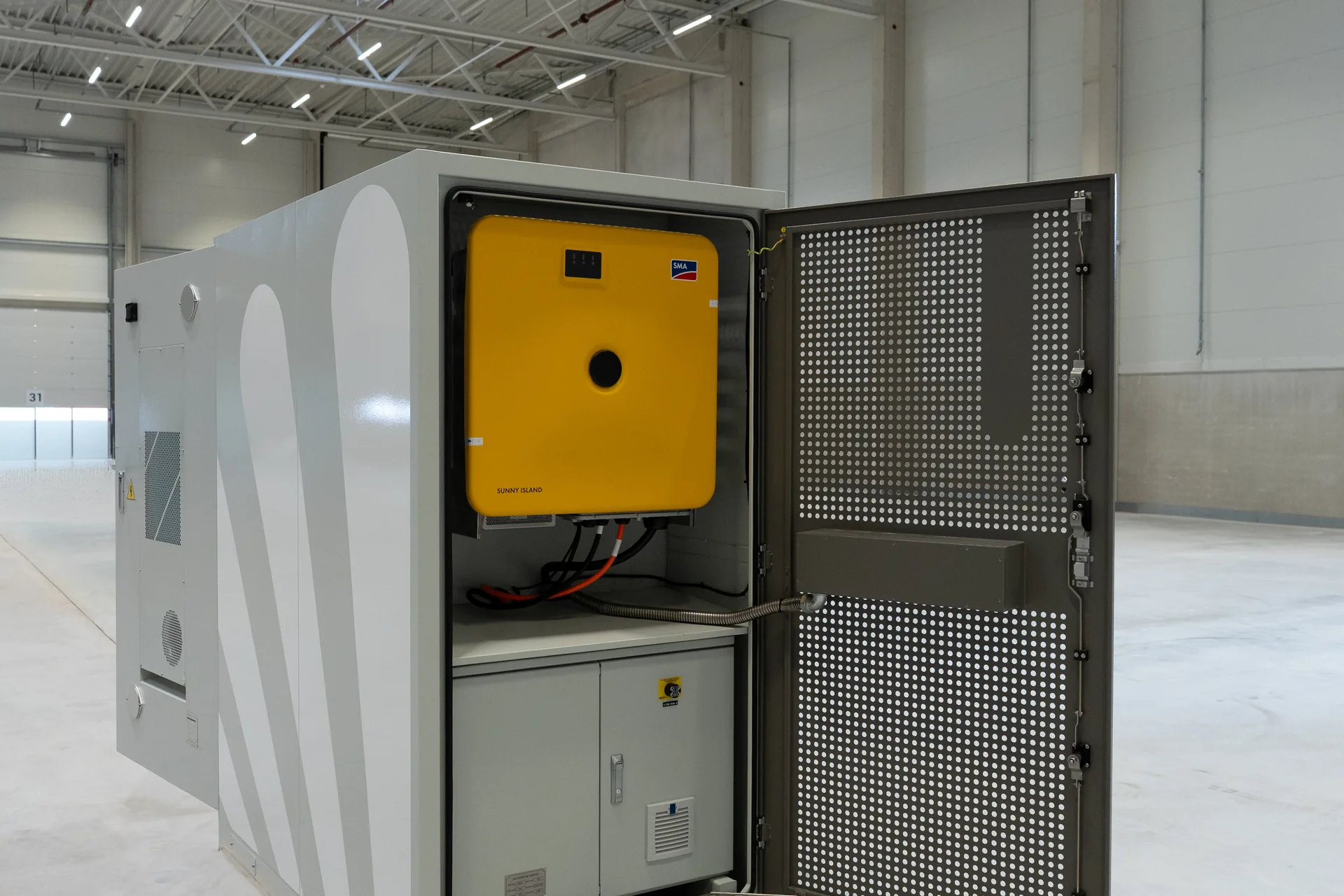
In 2025, PHENOGY commissioned a sodium-ion battery energy storage system in Bremen—the first large-scale system in Europe at the time.
The project marked an important step in bringing sodium-ion technology out of research laboratories and into real-world operation. The Bremen installation demonstrated that sodium-ion systems can be deployed at scale and integrated into modern energy infrastructure.
So what helped PHENOGY stand out in such a competitive environment?
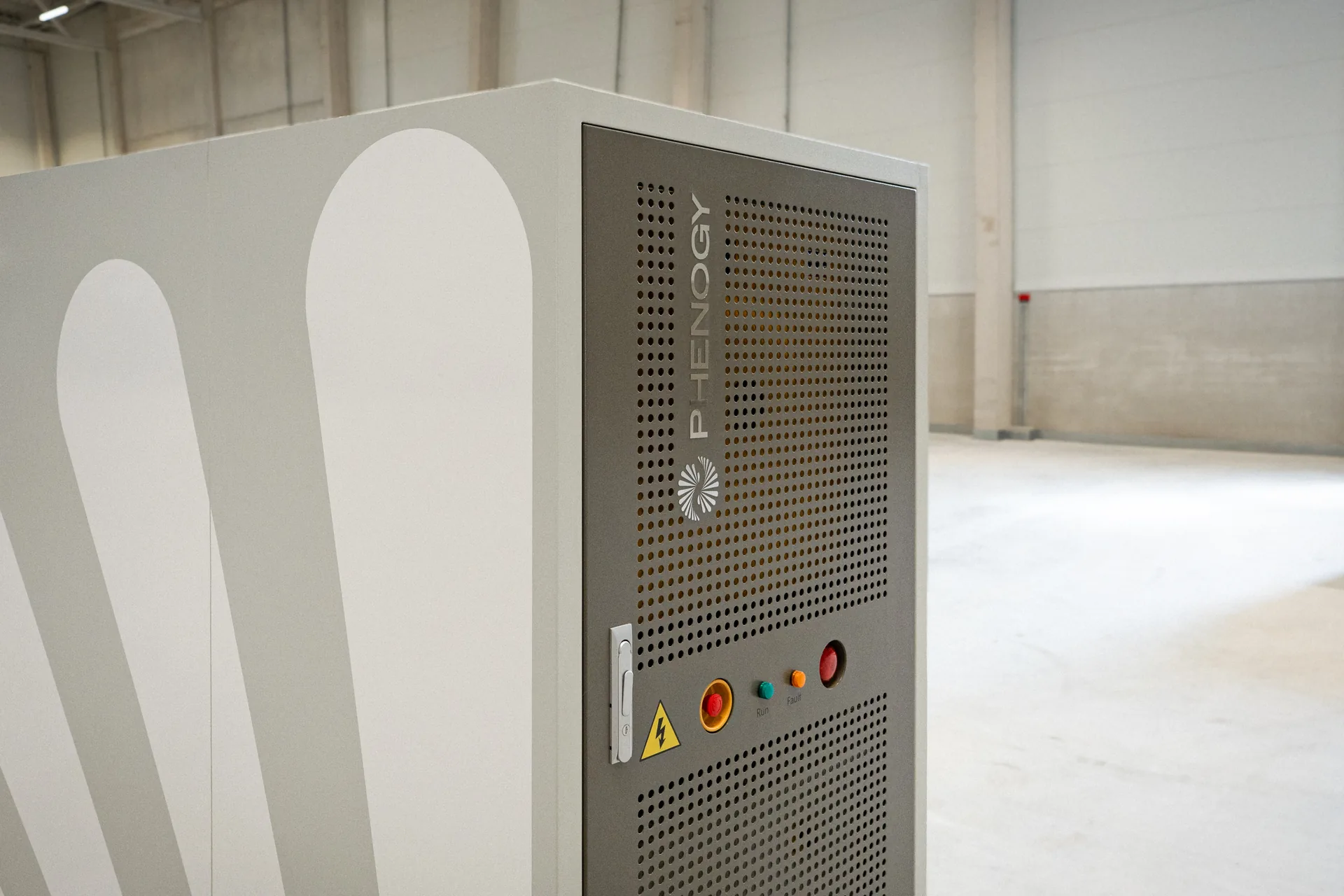
The jury's published assessment highlights several characteristics of the PHENOGY Series 1 that reflect current priorities in the energy storage sector.
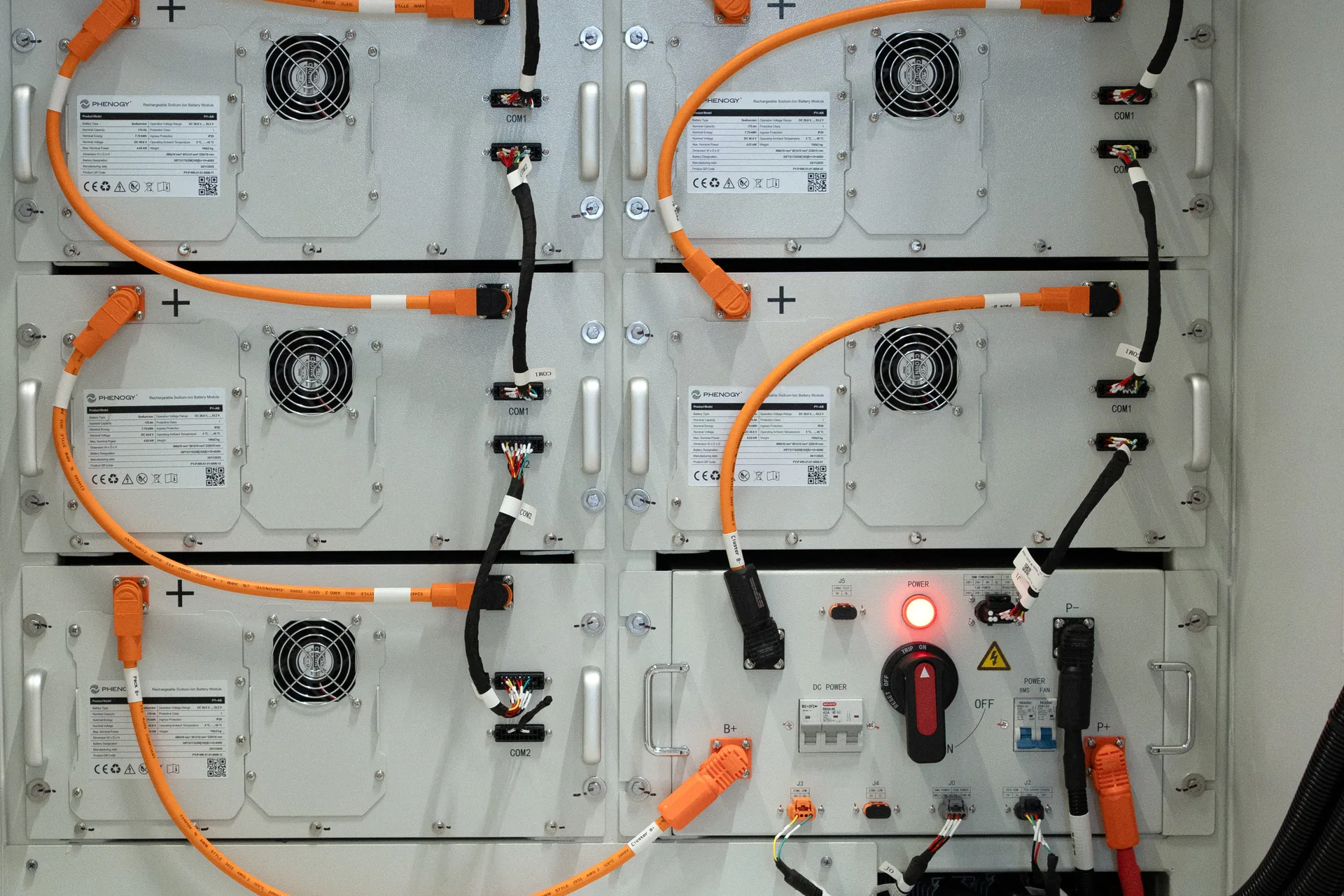
In its award statement, the jury described the PHENOGY Series 1 as a new milestone in battery technology. It pointed to the system's sodium-ion chemistry, which eliminates the need for lithium and graphite, as well as its high-temperature stability, air-cooling concept and lifetime of more than 6,000 full charge cycles.
The jury also referenced the large-scale system commissioned in Bremen in 2025. Together, these characteristics illustrate why sodium-ion technology is increasingly attracting attention and why PHENOGY's approach stands out in a rapidly evolving storage market.
Viewed in this context, the significance of the award becomes clearer. The fact that we received The smarter E AWARD in the Energy Storage category provides additional validation for the progress sodium-ion technology has made in recent years, while also highlighting PHENOGY's emergence as a serious European player in the evolving market.
Presented as part of The smarter E Europe, Europe's largest alliance of exhibitions for the energy industry, the award reflects developments that are shaping the future of the sector. The award is presented in several categories reflecting key areas of the energy transition, including Photovoltaics, E-Mobility and Smart Integrated Energy. PHENOGY received The smarter E AWARD in the Energy Storage category.
The winners are selected by an independent jury of leading experts from research institutions, industry associations and specialist media. Their expertise spans battery research, stationary storage systems, renewable energy integration and energy markets.
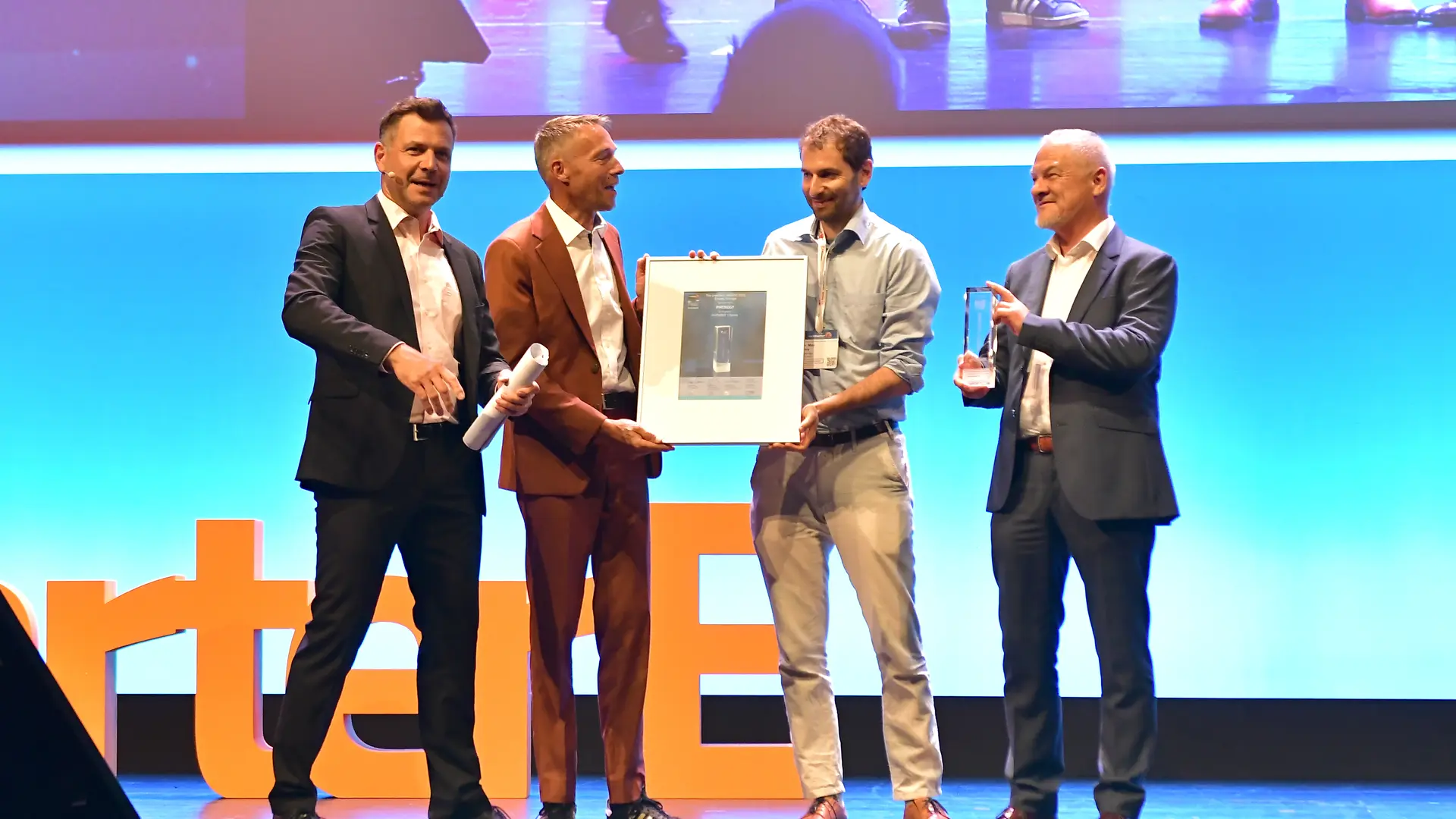
For PHENOGY, the award is both a recognition of what we have achieved and a challenge to keep moving forward.
The energy transition is entering a new phase. Energy storage is becoming a critical part of the infrastructure that enables clean, reliable and affordable energy. As expectations continue to rise, the market will demand solutions that are not only innovative, but also safe, resilient and proven in real-world operation. After all, energy infrastructure does more than provide electricity. It keeps our economy running and forms the foundation of our competitiveness and prosperity.
This is where we see PHENOGY's role: Our ambition goes beyond developing sodium-ion battery systems. We want to help shape the future of energy storage and establish PHENOGY as a leading European player in next-generation battery storage solutions.
Winning an award is one thing. Driving the adoption of a new storage technology is another.
We are only just getting started. Two leading research and educational institutions have already chosen PHENOGY systems to optimize their energy management, and additional installations will follow soon. Our focus now is clear: to open up the market step by step and demonstrate the value of sodium-ion technology in real-world applications.
The smarter E AWARD validates the progress we have made so far and motivates us to keep pushing forward.
At a time of growing geopolitical uncertainty, energy security and resilient supply chains are becoming increasingly important considerations as well.
Whether it’s insights into our solutions, industry updates, or event invitations, we’ll keep you informed.
Let us energize the future together.
Please confirm your subscription via the link in the email we’ve just sent you.