Backup Generator

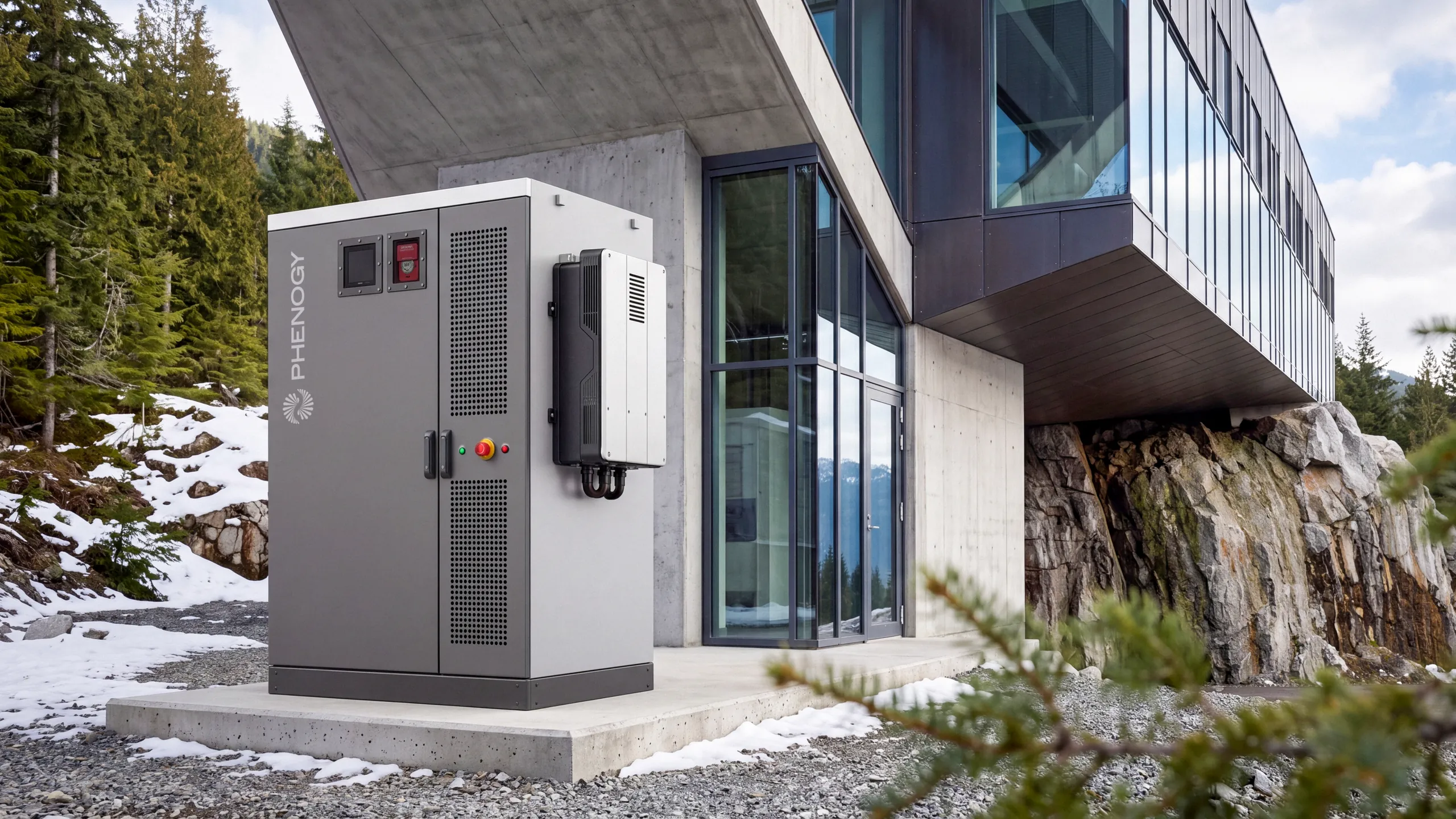
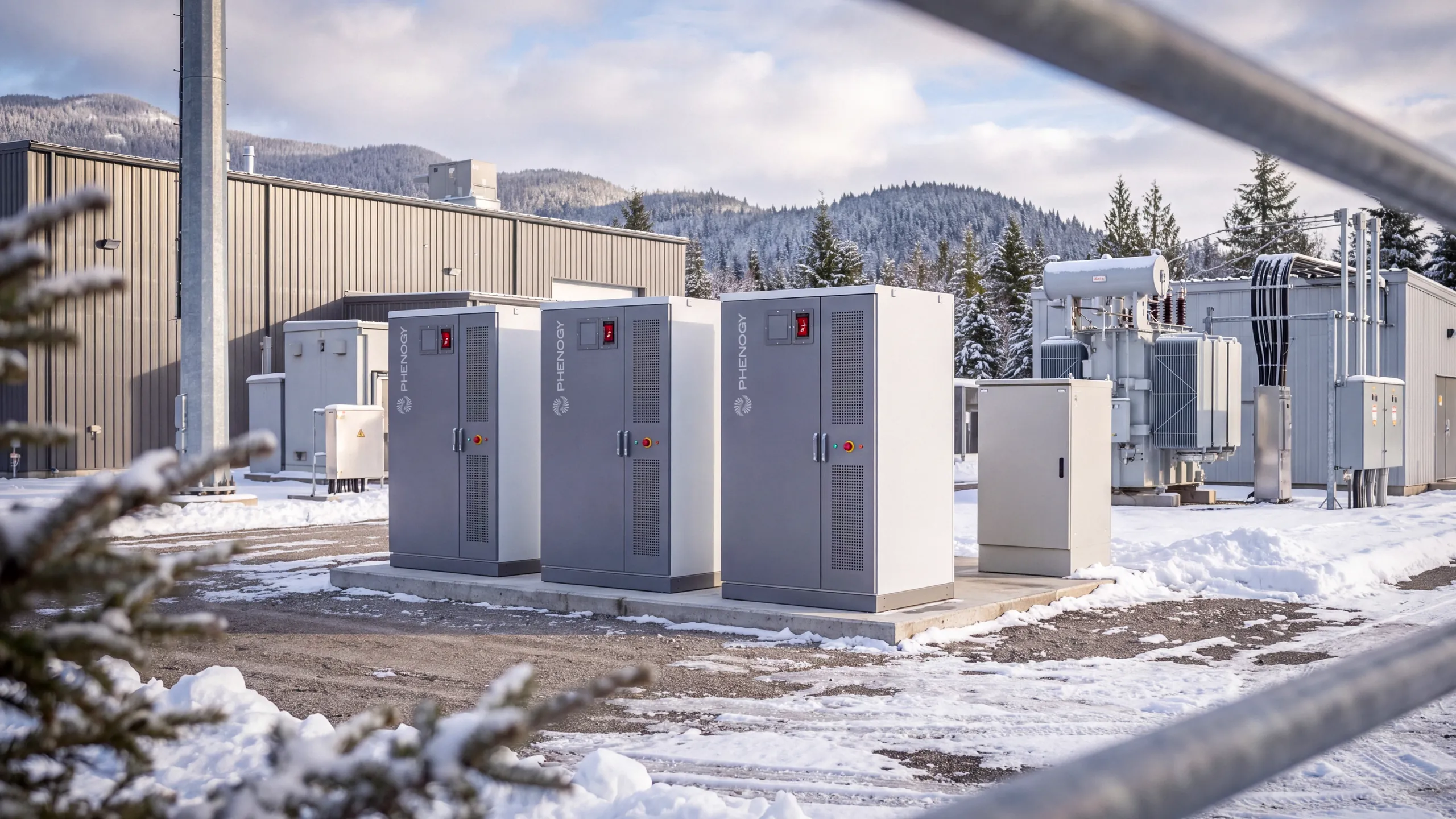
A backup generator produces electricity through a combustion engine, typically diesel, to bridge the gap during a power outage. Starting up and taking over the load can take several seconds up to a minute, while a charged battery storage system switches over almost instantly. Backup generators also require fuel, regular maintenance, and produce direct emissions during operation. In many applications, a battery storage system can replace or reduce the need for a backup generator.

Learn more

Backup generator or battery storage? What makes sense for your business

More on this topic

Resilience

Blackout Preparedness

Blackout preparedness refers to the forward-looking planning and technical preparation businesses undertake for a possible extended power outage.

Also:

Resilience

Critical Infrastructure

Critical infrastructure refers to facilities and systems that are essential for public services, the economy, and public safety, for example in energy…

Also:

Critical Infrastructure Protection, Critical Facilities
Resilience

Energy Independence

Energy independence refers to the extent to which a business can meet its energy needs without relying on external suppliers or the public grid, for example…

Also:

Further reading

No items found.
Scaling Smarter: How PHENOGY Is Moving into Series Production
Representatives of PHENOGY and HDAT at the announcement of their strategic partnership for battery storage
Article
Energy Market & Policy
Company & Team
12.10.2026

Scaling Smarter: How PHENOGY Is Moving into Series Production

Together with our partner HDAT, we are bringing battery energy storage systems to market.

Marcel Kloppenburg
Chief Marketing Officer